Author: Kenneth Taylor

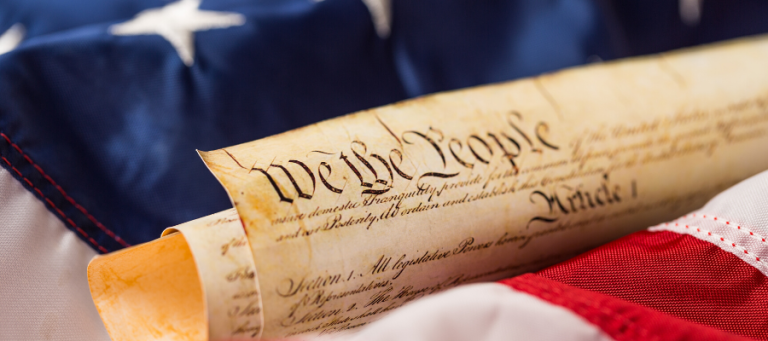
Close-up of the U.S. Constitution text, "We the People," on aged parchment resting on an American flag.

How a Glitch Caused a Crisis

We are in a constitutional crisis. It is not a looming crisis. It has already arrived, with the president’s declaration that he has the absolute right to pardon himself and his potential partners in crime, and the absolute right to stop any investigation for whatever reason he chooses.

Hands reaching from laptops exchange a $100 bill for a paper shopping bag. Online shopping transaction.

Repugnant Markets

There are many things that just shouldn’t be for sale at any price—human beings chief among them. You can’t legitimately sell what you don’t own in the first place. But there are many things that we do own the buying and selling of which are considered in some way abhorrent or repugnant and are therefore banned.

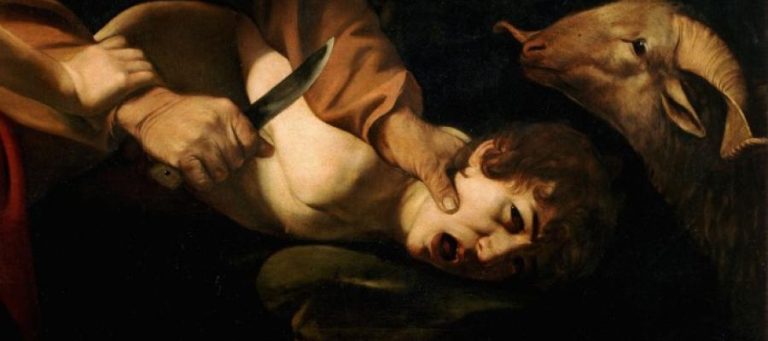
A painting depicting a sacrifice; a man holds a knife to a boy's throat while a ram looks on.

Faith and Humility

For better or for worse, believers and non-believers are unlikely to fully agree about the relationship between faith and humility. Indeed, some non-believers may insist that there is an inherent conflict between the two.

Silhouetted person on a rock by the sea at night, holding a flashlight, gazing at the stars.

Is There Life on Mars?

Are we alone in the universe? Or is the cosmos teeming with life? And what difference would it make if we found the answer? Those are just some of the questions we address in this week’s show.

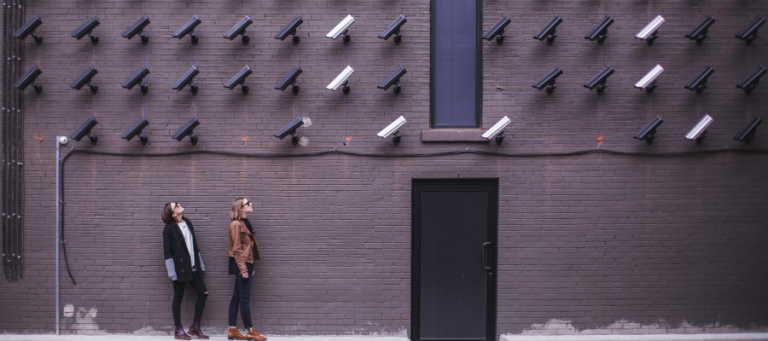
Two women stand before a wall of surveillance cameras, contemplating privacy in the digital age.

The End of Privacy

Once upon a time, your home was considered your castle, a sphere of absolute privacy, where you could reliably escape prying eyes. No one, except perhaps the constable, dared even enter one’s home without permission.

Person gesturing during a business meeting, laptop displaying data on the table.

Humble Disagreement

Should you cling to your beliefs even when others disagree? Or should you reconsider your beliefs whenever they’re challenged? Is it possible to disagree without being disagreeable?

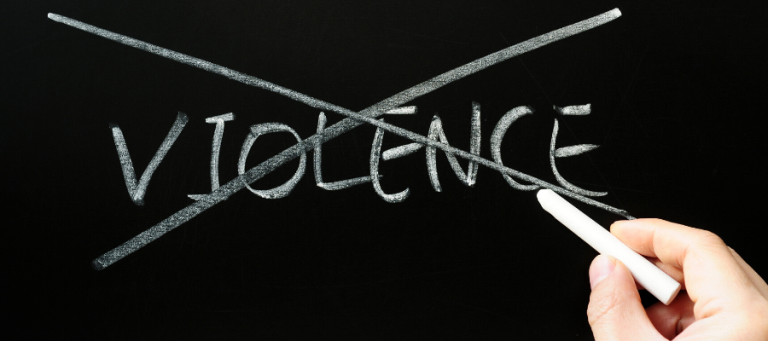
Chalkboard with the word "VIOLENCE" crossed out. A hand holds chalk, emphasizing the rejection of violence.

Fanon, Violence, and the Struggle Against Colonialism

Frantz Fanon was quite a provocative fellow. In his most influential work, The Wretched of the Earth, Fanon says that “For the colonized, life can only materialize from the rotting cadaver of the colonist.”

Chalkboard with the word "VIOLENCE" crossed out. A hand holds chalk, emphasizing the rejection of violence.

The Art of Non-Violence

This week we’re asking about the Art of Non-violence. And it is an art — the trick is knowing when and where it will actually work. After all, it looks like it’s worked just about everywhere it’s been seriously tried: non-violence brought down apartheid in South Africa, Jim Crow in America, and British Colonialism in India. But of course it took violence to defeat the Nazis, to end slavery and to free the colonies from British tyranny. Does that mean non-violence has its limits? Not if you believe that violence just begets more violence. Only non-violence can break the cycle.

White plastic letters and numbers scattered on a wooden surface.

Can Words Kill?

Can mere words be used to kill? Words can hurt and offend, but can they be lethal weapons? I don’t mean that in a metaphorical sense. We all can admit that words can hurt or offend. But I’m asking if they can literally kill?

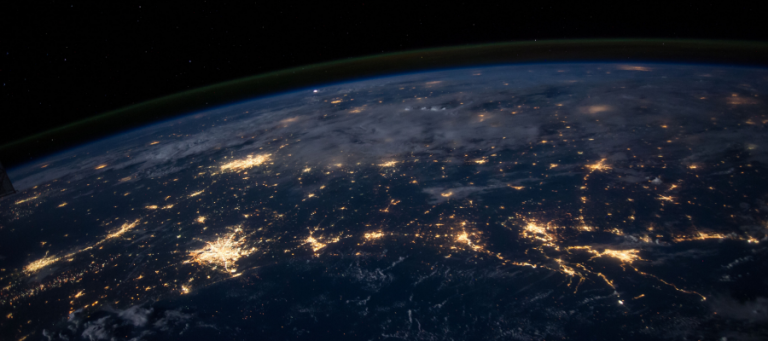
Earth at night, showing city lights.

The World’s Greatest Country?

Suppose we were to ask for each country on Earth how many people would willingly choose to live in it, given complete freedom of choice, but under a modified version of the veil of ignorance. Which country would you choose?

Pile of discarded coffee cups and other trash.

Philosophy of Trash

How much of today’s treasure is destined to be tomorrow’s trash? Are growing piles of trash the price we pay for progress? Or do our trashy habits amount to ecological terrorism? These are the questions we’re thinking about in this week’s show.

Close-up of a dark, weathered chain link.

Compromise and Slavery

John Kelly, President Trump’s Chief of Staff, recently made some comments about the supposed unwillingness of the North and South to compromise over slavery as a leading cause of the Civil War. But Kelly actually has it completely backwards.

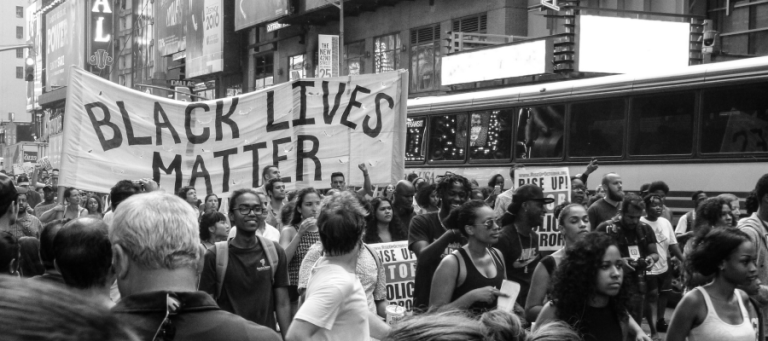
Black Lives Matter protest in NYC

Why Race Matters

Do black lives really matter in America? Indeed, have they ever mattered, in our sordid racial history? And what, if anything, can we do to make sure that black lives matter today? These are just some of the questions we address on this week’s episode that we are calling “Race Matters.”

Close-up of hands typing on a laptop keyboard.

Privacy and the Internet of Things

What will life be like when every road you travel, every device you own, every building you enter is connected to the internet? Will these developments transform our world in ways that enrich our lives? Or will they just create more opportunities for hackers, corporations, and governments to pry into every aspect of our lives?

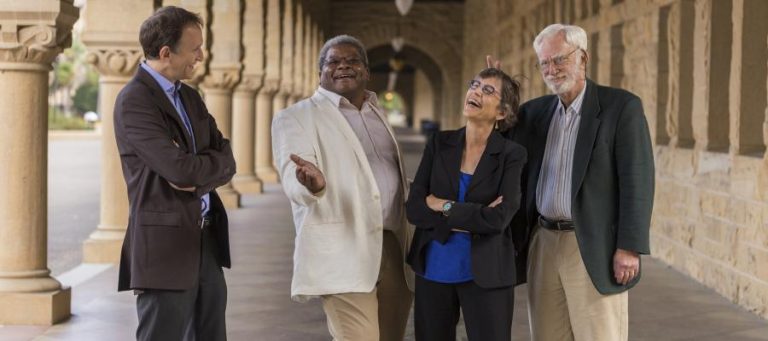
Four professionals discussing the future of work, possibly automation's impact.

Transitions in Philosophy Talk

It’s time to make it official. After well over 400 episodes, 13 and half years on the air, and two years before that trying to get on the air, John has decided to transition into a new role on Philosophy Talk.

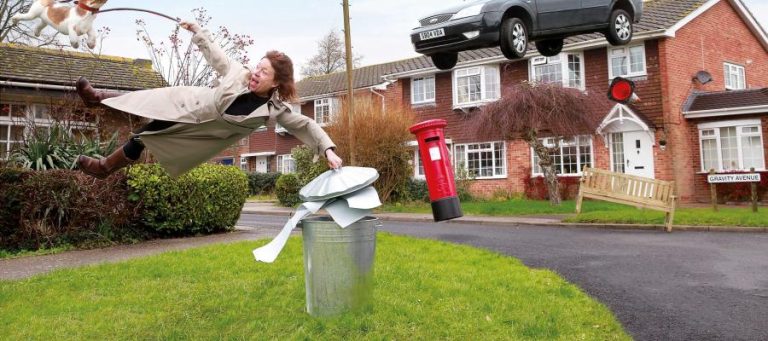
Woman flying through the air, dog on a leash, car and postbox floating; Gravity Avenue street sign.

Could the Laws of Physics Change?

What if gravity suddenly stopped working? Or what if e gradually came to equal mc3 rather than mc2? Could the fundamentals of physics really change? Or Is this just the stuff of science fiction?