
Do Good People Make Good Leaders?
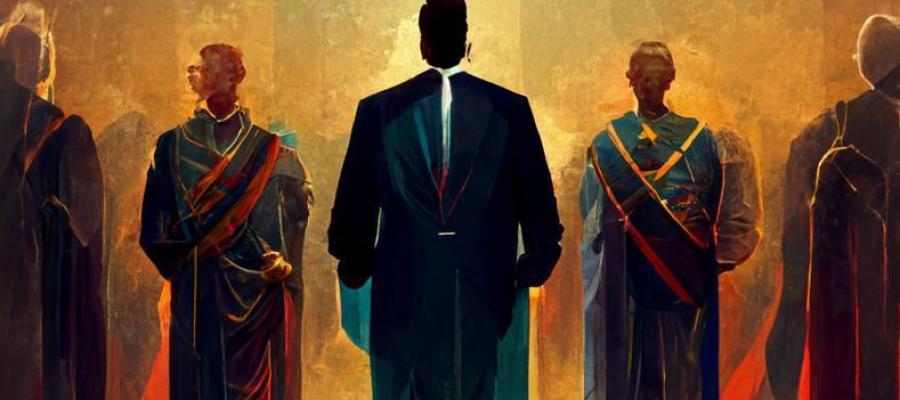
We sure could use leaders who accept basic science and legislate effectively. But do we need our leaders to be good people on top of all that? Isn’t asking them to be virtuous people kind of a high bar?
This week we’re thinking about how to create a world in which our leaders are not just effective legislators, but also good people.
Some might think there are not enough leaders like that these days: people who tell the truth, accept basic science, and do their jobs, rather than lying for fame, conniving for power, and bending the rules for personal gain. But do we really need our leaders to be good people? Do we care if they cheat on their partners, go on shopping sprees with their own money, or party hard on the weekends, as long as they do their jobs? Isn’t asking them to be virtuous people kind of a high bar?
One argument could be that if someone is dishonest and corrupt in their private life, it’s hard to trust them to behave better when they have access to huge amounts of public money. So maybe they don’t have to be saints, but they should be decent human beings. That isn’t too much to ask.
That said, there have been excellent leaders with serious flaws. People say that Martin Luther King cheated on his wife—but even if that’s true, it doesn’t take away from his leadership in the Civil Rights Movement. Conversely, you can be a nice person but a lousy leader: Al Gore really cared about the environment, but he was so dorky and awkward that he couldn’t get enough votes to get elected.
And maybe we can go even further: what if a good politician needs some vices? What if they need confidence verging on arrogance, strategic truth-telling verging on dishonesty, decisiveness to the point of being tyrannical, and the kind of charisma that is dangerously close to narcissism?
A defender of virtue might respond that this only applies to people running for election. If you’re a reluctant leader, like Claudius in the Robert Graves novel, maybe you don’t need all that charisma and “spin.” In Plato’s Republic, Socrates says that the best leaders are like that—they’re motivated by a sense of duty, not by any interest in power.
Then again, things didn’t work out especially well for Plato. He tried to train King Dionysius the Elder of Syracuse—who then sold him into slavery. (His friends paid the ransom to set him free.) Some years later, Plato came back to train King Dionysius the Younger, and it didn’t go that much better. Plato taught little Dionysius all about virtue and philosophy, but the kid betrayed his uncle, mismanaged his kingdom, and ended up getting exiled by his own people.
You might, of course, say that wasn’t Plato’s fault: although he did his best, no teacher in the world could have turned little Dionysius into a decent ruler. As Kant would say, “out of such crooked timber, nothing straight can be built.” But then, the implication is that it’s basically pointless trying to teach people to be virtuous. So what’s the good of education if it doesn’t make people better?
That’s pretty depressing to us university professors who are ostensibly teaching future leaders about virtue and responsibility. If it’s making no difference at all, should we find another line of work? Then again, we professors aren’t training our students to be future leaders; we’re training them to be reflective individuals, and thoughtful citizens. If some of those citizens gain political power, perhaps we can hope to have done some good. Or at least no harm?
Our guest is our old friend Massimo Pigliucci from the City University of New York. He’s got a new book called The Quest for Character, and it’s all about leaders and virtue. Maybe he can make us more optimistic!
Photo by Joshua Safran/Midjourney