
Misogyny and Gender Inequality
All over the world, men enjoy power and privilege relative to women. It’s always been that way, and probably always will be. But one could also have more hope, given that in some countries women have made a lot of progress.
This week we’re thinking about misogyny and gender inequality. All over the world, men enjoy power and privilege relative to women. It’s always been that way, and probably always will be.
But one could also have more hope, given that in some countries women have made a lot of progress. A hundred years ago, women in the US couldn’t vote. Now you find women occupying positions at the very top of the social hierarchy. There are women CEOs, women scientists, women lawyers, women senators.
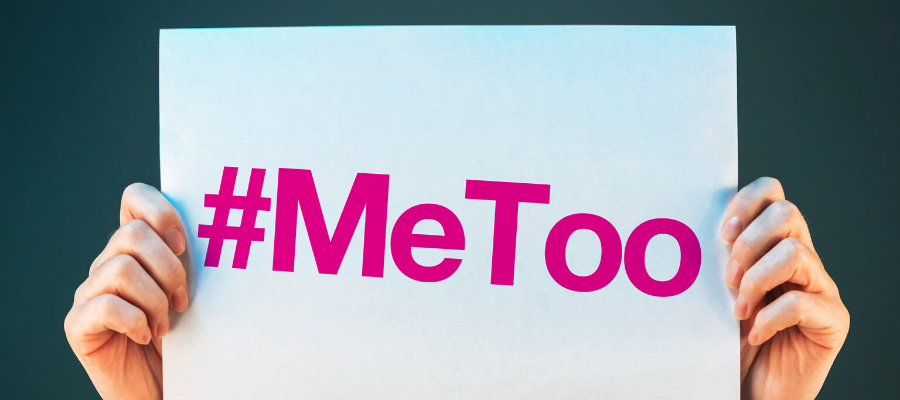
Then again, one might also think the #MeToo movement shows how far we still have to go. Women are still disproportionately the victims of sexual violence. They still earn less than men. They still do the lion’s share of work in the household. There’s no doubt those things are bad for women. But the gender hierarchy is bad for men too.
This is no brief for the oppressed male. Masculinity can be toxic, not just for women, but also for men, who are more likely to die at war, more likely to end up in prison, get beat up—they die earlier. And they miss out on their children’s lives. Women are also better educated. They even tend to have more friends.
None of this is to deny that women are oppressed or that men are their oppressors. It’s not hard understand the ways that women are treated as second class citizens. But in our gendered world, men are losers too.
Of course, whatever disadvantages men do face, they pale in comparison to those of the oppressed women. Even if the master’s house is empty (and kind of lonely), he still owns the house. And even men who don’t own houses still dominate women who own even less. That’s because the gendered culture sets them on a path that equates masculinity with oppressing women.
But what about free will? After all, men aren’t just victims of this system, they’re agents in this system too. But that view may overestimate the amount of agency that individual men have in the patriarchy. Norms and social structure dictate so much of the gender injustice.
Take the norm that women do most of the child-rearing. That feeds into the fact that women earn less than men at work, which makes it more economical for them to do the child-rearing. It’s a vicious and self-reinforcing cycle.
So how do we break the cycle? Helpful social policies like early and affordable childcare and flexible work times are a start. But perhaps that’s too optimistic, since one could think that putting more women in the workplace might result in more sexual assault, more harassment—more men hating women who encroach on their “territory.”
But what if misogyny is not about hate, but about power—what if the Harvey Weinsteins of the world actually love women but just get off on their own power? Well with love like that, who needs hate? These men love women as objects, not as full human subjects—doesn’t that amount to the same thing?