Microaggressions

November 26, 2023

First Aired: August 15, 2021

Listen

LOGIN or Subscribe TO LISTEN

Microaggressions are small comments or questions that may be insulting or hurtful to another person because of their race, gender, sexuality, and so on. Some people consider microaggressions to be a phantom symptom of political correctness and a further sign that society has become “soft,” while others see them as a problematic way of normalizing bigotry. So how do microagressions compare to other types of moral harms? Do they add up to structural oppression, and if so, how are we to assign individual culpability? Josh and Ray engage calmly with Lauren Freeman from the University of Louisville, co-editor of Microaggressions and Philosophy.

Can microaggressions be disguised as compliments? Does the impact of an offhand comment matter more than its intention? Ray thinks that microaggressions are part of a larger pattern of discrimination, as they cause repeated harm to groups that are marginalized and oppressed. Josh is less certain that microaggressions deliberately reinforce social hierarchies, even though he agrees that they’re related to systemic injustice.

The philosophers welcome Lauren Freeman, Professor of Philosophy at the University of Louisville, to the show. Lauren explains why we should be guided by the perspective of the recipient more than the perpetrator of the microaggression, and that the label itself is problematic because it takes the perspective of the person making the comment. Ray asks how exactly to consider both of these perspectives, prompting Lauren to discuss the difference between interpersonal and institutional microaggressions. She advocates for a forward-looking mindset that actively works to make our environments more inclusive instead of focusing on someone’s intentions. Josh strongly agrees with Lauren’s perspective, and he brings up the difficulty of deciding what counts as a microaggression in ambiguous cases.

In the last segment of the show, Josh, Ray, and Lauren discuss microaggressions in a medical context and the importance of listening to people in marginalized positions. Ray asks about what to do when people in similar marginalized positions disagree with one another, and Lauren explains how we should look at patterns of harm and default to the majority. Josh suggests that the reasonable insider standard might be useful, but Lauren disagrees. She believes that within the history of philosophy, norms of rationality and reason have been racialized and gendered.

Roving Philosophical Report (Seek to 5:05) → Shereen Adel talks to people who have experienced microaggressions and what one organization is doing to identify, address, and avoid committing them.

Sixty-Second Philosopher (Seek to 45:28) → Ian Shoales isn’t convinced that microaggressions are real.

Log In or Subscribe for FREE to view the show transcript

Buy the Episode

Listen to the Preview

Guest
unnamed
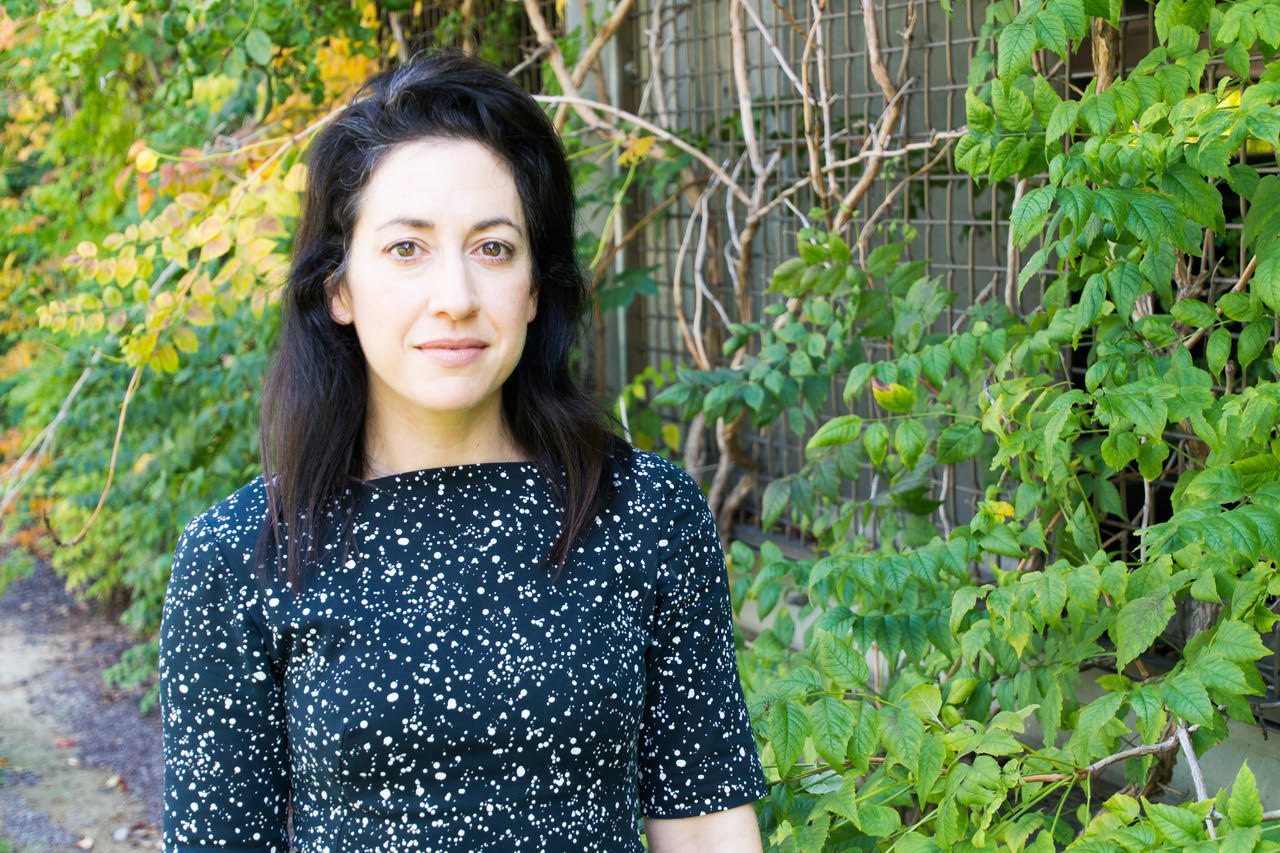
Lauren Freeman, Professor of Philosophy, University of Louisville

Related Blogs

  • Microaggressions and Intention

    August 13, 2021

Related Resources

Books

Freeman, Lauren (2020). Microaggressions and Philosophy.

Peters, Torrey (2021). Detransition, Baby.

Web Resources

Pierce, Chester (1970). “Offensive mechanisms.” The Black Seventies.

Get Philosophy Talk

Radio

Sunday at 11am (Pacific) on KALW 91.7 FM, San Francisco, and rebroadcast on many other stations nationwide

Podcast

Full episode downloads via Apple Music and abbreviated episodes (Philosophy Talk Starters) via Apple PodcastsSpotify, and Stitcher