The Psychology of Cruelty

May 30, 2021

First Aired: September 16, 2018

Listen

LOGIN or Subscribe TO LISTEN

Throughout history, people have committed all kinds of cruel, degrading, and evil acts toward other people. Many believe that for evil acts like genocide to be even possible, the victims must first be dehumanized by the perpetrators, starting with dehumanizing language or propaganda. But is this lack of empathy always at the heart of human cruelty? When we call others “vermin,” “roaches,” or “animals” are we thereby denying their humanity? Or can human cruelty and violence sometimes rely on actually recognizing the other’s humanity? Josh and guest host Alison Gopnik welcome back Paul Bloom from Yale University, author of Against Empathy: The Case for Rational Compassion.

Is a lack of empathy always at the heart of human cruelty? Josh and guest host Alison Gopnik begin the show by debating this question. While Josh offers the view that cruelty emerges when something is wrong with a person’s “empathy circuit” and he/she begins to dehumanize his/her victims, Alison believes that this explanation isn’t the entire picture. A cruel act, she claims, is generally designed to provoke an emotional reaction from its recipient—meaning that its perpetrator is not only recognizing but attempting to exploit the humanity of the other person.

Guest Paul Bloom, professor of psychology at Yale University and author of Against Empathy: The Case for Rational Compassion, joins the show. He argues that some of the very worst things that one person can do to another are, in fact, driven by an appreciation of the humanity of the other person. Take misogyny, for example: many men who hurt or kill women do so because they feel humiliated or disrespected by them. These intense feelings toward women could only come about, Paul argues, as a result of viewing them as terrible humans—we wouldn’t feel this way toward, say, rats or turtles. Alison makes the point that large-scale acts of cruelty, such as bombings, do appear to involve the viewing of their victims as less than human. Paul’s response is that while some acts of violence can be the result of perpetrators’ dehumanization of their victims, what he considers the prototypical view of cruelty—which involves degradation, humiliation, and torture—does require recognition of the victim’s humanity.

One caller reminds the philosophers that cruelty can also serve as an exercise of control and a demonstration of power. Paul agrees, adding that shared cruelty—such as talking badly about a third party—can create alliances between people. Paul, Josh, and Alison then discuss the role that art and literature might be able to play in ameliorating cruelty, as they allow viewers and readers to see the world through someone else’s eyes. Josh argues that although this function of art can be wielded to make people more understanding and compassionate, there are also cases in which works can employ the empathy of viewers for negative purposes—for example, The Birth of A Nation. Ultimately, Paul posits that if his stance is correct and that in acting cruelly toward others, we are recognizing them as people, the only way in which we can make the world a kinder place is to fundamentally change how we think about other people—both on an individual and a cultural level.

Roving Philosophical Report (seek to 5:51) → Liza Veale examines a case in which a feminist Facebook group originally designed as a safe and private space for discussion ends up receiving disturbing and relentless harassment from an opposing, “anti-social justice warrior” group. It appears that while the internet can allow people to access supportive, empowering communities, it can also serve as a hotbed for bullying and heckling that gives users the freedom to act maliciously without having to face responsibility or their victims.

Sixty-Second Philosopher (seek to 46:34) → Ian Shoales looks at how attitudes—and in particular, levels of empathy—toward the poor have shifted over time and with politics, taking us from the Reagan era to Clinton’s presidency to our present administration.

Log In or Subscribe for FREE to view the show transcript

Buy the Episode

Listen to the Preview

Guest
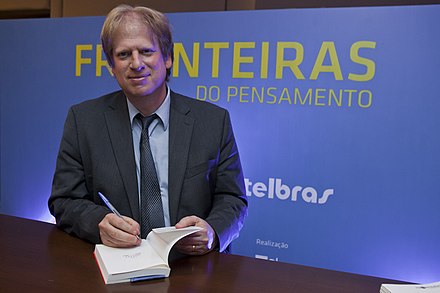
440px-Paul_Bloom_no_Fronteiras_do_Pensamento_Florianópolis_2014_(15062511061)
Paul Bloom, Professor of Psychology, Yale University

Related Blogs

  • The Psychology of Cruelty

    September 14, 2018

Related Resources

Books:

  • Baumeister, Roy & Beck, Aaron (1999). Evil: Inside Human Violence and Cruelty.
  • Baren-Cohen, Simon (2011). The Science of Evil: On Empathy and the Origins of Cruelty.
  • Bloom, Paul (2016). Against Empathy: The Case for Rational Compassion.
  • Manne, Kate (2017). Down Girl: The Logic of Misogyny.
  • Smith, David (2012). Less Than Human: Why We Demean, Enslave, and Exterminate Others.
  • Stout, Martha (2005). The Sociopath Next Door.

Web Resources:


Get Philosophy Talk

Radio

Sunday at 11am (Pacific) on KALW 91.7 FM, San Francisco, and rebroadcast on many other stations nationwide

Podcast

Full episode downloads via Apple Music and abbreviated episodes (Philosophy Talk Starters) via Apple PodcastsSpotify, and Stitcher