Author: Philosophy Talk

Portrait of a 17th-century woman in an orange gown, wearing pearls.

The Philosophical Princess

For the latest episode in our NEH-supported Wise Women series, we’re exploring the life and thought of 17th-century philosopher-princess Elisabeth of Bohemia. These days, she’s most famous for her correspondence with René Descartes, in which she raised several objections to his mind-body dualism.

Man in silhouette stands before a modern, curved building, city skyline in background.

The Politics of Architecture

Do buildings express political viewpoints? Some buildings do, of course: think about monuments to fallen soldiers, city hall buildings, or public housing. But is architecture always political? When it comes to pretty buildings, isn’t a flying buttress sometimes just a flying buttress?

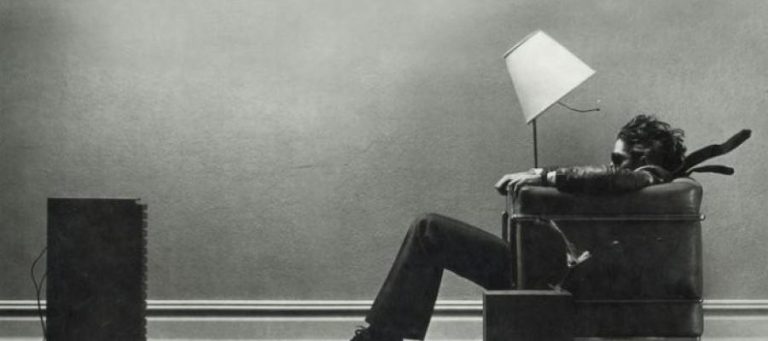
Man slumped in chair, lamp overhead, contemplating a lost republic.

Is It Real or Is It Simulated?

Have you ever wondered—even if just for a second—whether we might all be in the “Matrix,” hooked up to machines and fed a non-stop computer-generated illusion? Or maybe we’re in a version of The Truman Show, where the objects we see are real but the people are just actors pretending to be our friends. How we could ever know for sure?

Two hands gently cradling the Earth.

Making a (More) Moral World

Making a better world would be a great thing—but do we really need philosophers to help us do that? They’re often some of the worst people out there and the last people we should be taking ethical advice from.

A woman's profile, reminiscent of classical sculpture, juxtaposed with a sepia-toned depiction of a tumultuous Roman assembly. Farewell to the Republic?

Ancient Renaissance Woman

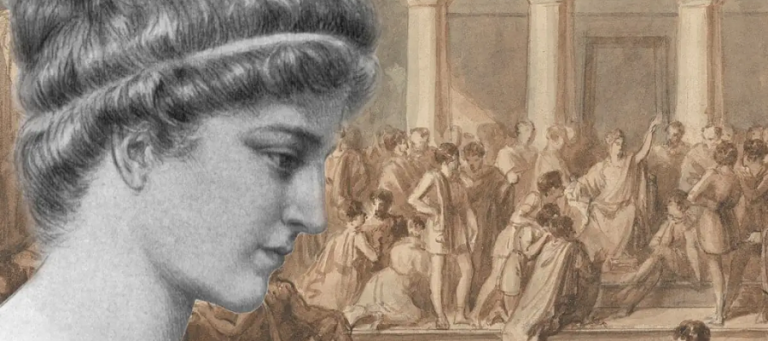
In her time in the 4th century, Hypatia was one of the most famous philosophers in Alexandria, and indeed in the ancient world. She studied so many different things—mathematics, astronomy, philosophy—and taught them too.

Vibrant mural depicting historical figures and scenes, reflecting on a lost republic. "Tenochtitlan" is visible.

Philosophy In, Of, and About Mexico

There are so many great ideas in the realm of Mexican philosophy: Sor Juana’s feminism, Emilio Uranga’s existentialism, all that fascinating stuff from the Aztecs and Mayans. But it’s worth asking why we lump all those things together.

Silhouette figures transitioning from pink to blue, representing a spectrum of identities.

The Gender Box(es)

To some, gender is an oppressive system designed to keep women down. People go around saying girls are made of sugar and spice, and boys are made of snips and snails, and pretty soon you’re making 80 cents on the dollar. But there’s another side to gender.

Montage of documentary film titles, including "Don't Look Up" and "Down to Earth.

Art as Climate Action

Fascism is on the rise, new infectious diseases keep cropping up, and we’re on the verge of environmental collapse: how could art possibly save us? Art may be a nice distraction, but surely what we really need are better leaders, better policies, and people who are willing to listen to science.

Many red arrows pointing right, forming a large arrow; fewer arrows on the left side.

This Blog Post Is False

If I say, “I’m lying right now,” I’m telling you I’m lying, so if I am actually lying the sentence is true—in which case I’m not lying. But if I am telling the truth, that means I’m lying. So either way, I’m both lying and telling the truth—and that’s true contradiction.

Intricate clockwork gears inside a head, symbolizing complex thought processes.

The Brain as Prediction Machine

Our minds are amazing prediction machines—and sometimes they can even make their predictions come true! There’s nothing mystical or magical here—like if you believe in something hard enough, you’re going to “manifest” it. We’re just talking about the kind of thinking we do all the time

Elderly woman with white hair, wearing a white shirt, speaks at a lectern in a wood-paneled room.

Parfit and the Selves That Matter

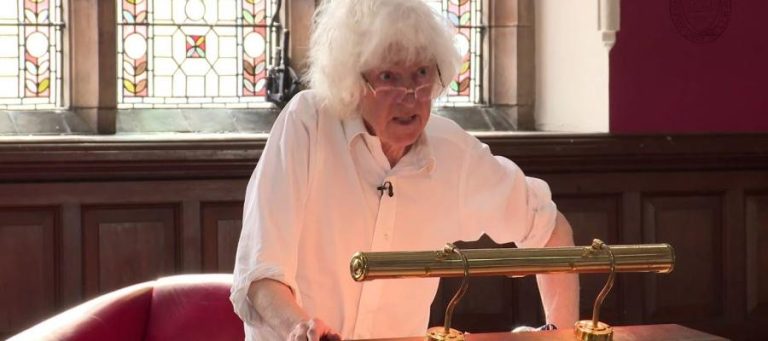
Suppose you’re on your daily commute to Mars. You’re about to get beamed up, but something goes wrong—the transporter makes a copy of you on Mars, like it’s supposed to, but it forgets to vaporize you back home. So now there are two of you. And if there are two of you, the question is which one is the real you—the you on Earth, or the you on Mars?

Close-up of a woman smelling a vibrant orange flower.

Olfactory Philosophy

When philosophers talk about perception, they tend to focus on what we see and hear, and rarely on what we smell. But olfaction is a strange sense that deserves greater philosophical scrutiny. For example, when you smell something, what exactly are you smelling?

Abstract glitch art depicting digital data streams; reminiscent of a broken system or lost signal.

Cancelling in Public and Private

Some consider cancel culture a real problem: people losing their jobs, being harassd online, their home addresses being shared. Others see people who do or say terrible things getting some pushback but mostly whining on their Netflix comedy special about how they’ve been victimized.

Scientist examining petri dishes with bacterial cultures in a lab.

Why (Not) Trust Science?

This week we’re asking why we should trust science—which may sound like a weird question. After all, why would we doubt the method that helps us build bridges and skyscrapers, formulate life saving medicines, and understand the cosmos?

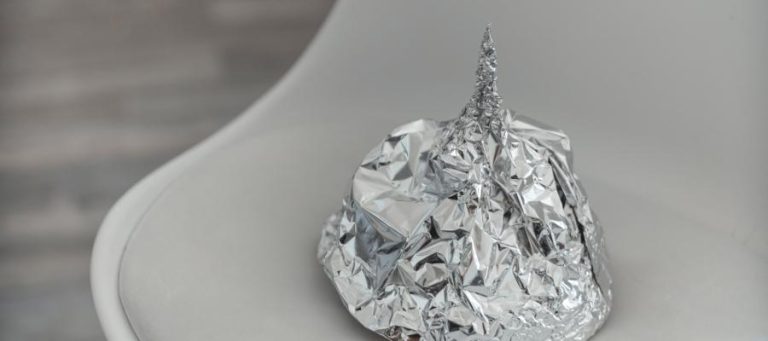
Aluminum foil hat on a chair; a symbol of conspiracy theories.

What Is It Like to See Conspiracies in Everything?

Why would anyone want to think like a conspiracy theorist? They ignore contrary evidence, they think they’re experts on things that they know nothing about, and they project malicious intent onto events that have innocent explanations.

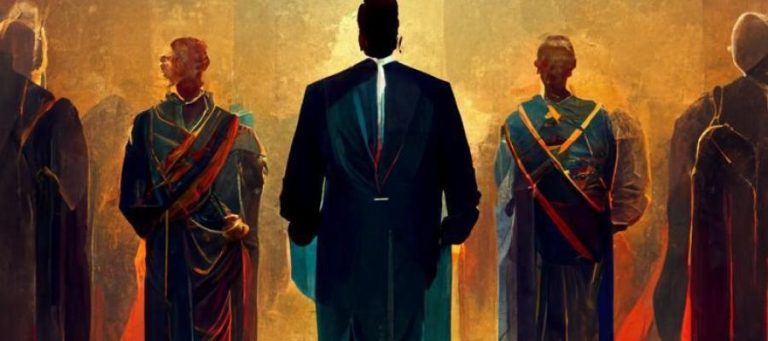
A man in a suit stands before a group of robed figures, questioning whether good people make good leaders.

Do Good People Make Good Leaders?

We sure could use leaders who accept basic science and legislate effectively. But do we need our leaders to be good people on top of all that? Isn’t asking them to be virtuous people kind of a high bar?